Après-Ski Japanese Style: Onsen, Ramen & Snow Culture
Apres-Ski, Japanese Style: Onsen, Ramen, and Snow Culture
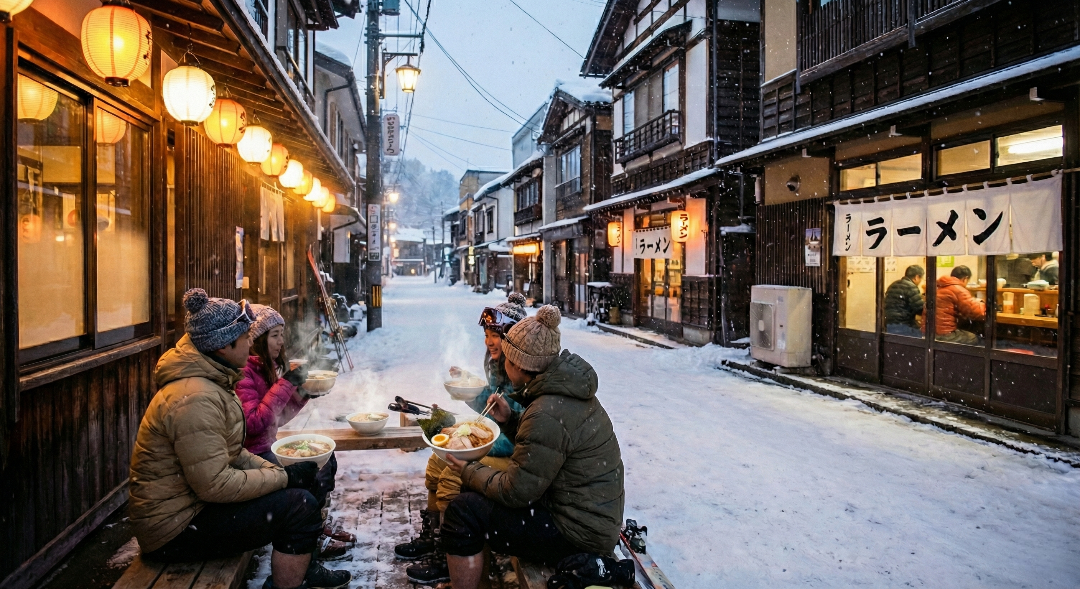
The skiing in Japan is not limited to skiing during hours of chairlift operation. In fact, this is where the best of times really starts.
In the Alps or other places around the world, they talk about the après-ski experience: loud bars, late nights, and crowds. Japan does things differently.
Here, the real reward after a day on the slopes is quieter, warmer, and deeply comforting. Think outdoor hot springs surrounded by snow. Ramen bowls, steaming hot, are eaten in little local shops. The streets glow gently under falling snow.
Japanese après-ski culture is not about excess. It is about recovery, ritual, and warmth.
If you are planning a winter trip, skiing in Japan offers more than powder. It provides a whole snow experience that combines nature, food, tradition, and peace. This blog discusses what activities to choose after skiing in Japan, where to go, and how to get the most out of it.
And before we begin,
Snow destinations in Japan are often remote. Trains, buses, ski rentals, weather alerts, and restaurant searches all rely on mobile data. Free WiFi is inconsistent, especially in mountain towns. Having a travel eSIM for Japan makes winter travel far smoother.
Now let’s step off the slopes.
What Makes Japanese Après-Ski Different?
Après-ski in Japan is less about noise and more about recovery.
Japanese après-ski culture is built around recovery, comfort, and food. After hours of skiing through powder, locals do not rush to bars. They head to the onsen. They eat hot food. They slow down. The cold outside makes warmth feel earned.
You will see families, solo travelers, and groups of friends soaking quietly in hot springs. You will hear very little music. Conversations are low. Steam rises into the night air.
This balance between physical activity and deep relaxation is what defines Japanese après-ski culture.
Onsen After Skiing: The Heart of the Experience
There is nothing quite like stepping into an onsen after skiing.
Your legs ache. Your shoulders are tight. Your jacket still has some snow on it. Then you get inside the hot mineral water, mostly outdoors, while the snow is falling quietly around you.
This is not a luxury add-on. It is part of daily life in Japan’s snow regions.
Why Onsen and Skiing Belong Together?
- Heat relaxes tired muscles
- Mineral water helps recovery
- Cold air makes the contrast magical
- It slows your body and your mind
Many ski resorts in Japan are built near natural hot spring sources, which means onsen are everywhere.
Onsen Etiquette After Skiing in Japan
For first-time visitors, onsen etiquette can feel intimidating. In reality, it is simple.
- You shower before entering the bath.
- You do not wear swimsuits.
- You keep towels out of the water.
- You stay quiet and respectful.
It is advisable to take some time for your body temperature to balance before soaking in hot water after skiing.
Most ski towns are used to international guests and offer clear signage. If you are unsure, a quick check on your phone helps. This is one reason mobile data is more reliable than relying on free WiFi in Japan’s rural areas.
Ramen After Skiing in Japan
Skiing builds an appetite. Japan answers that hunger with ramen.
After a cold day outdoors, ramen feels like a reward. The broth is rich. The noodles are filling. Steam fogs the windows of small shops as skiers crowd inside.
This is not fine dining. It is comfort food at its best.
Why Ramen Is the Perfect Après-Ski Meal?
- Hot and filling
- Easy to find near ski resorts
- Affordable
- Deeply satisfying after the cold
Different regions offer different styles. In Hokkaido, miso ramen dominates. In Nagano, soy-based broths are common. In Sapporo, butter corn ramen is a winter favorite.
Searching for the best local ramen shop usually happens on the spot, after skiing, when everyone is tired and hungry. A travel eSIM makes finding open spots easy, especially when snow changes plans quickly.
Niseko Après-Ski: Japan’s Most Famous Snow Scene
Niseko is known worldwide for its powder, but its après-ski culture is just as strong.
After skiing, people head to
- Outdoor onsen with mountain views
- Cozy ramen shops
- Small bars with relaxed atmospheres
Niseko combines Japan's culture and global softness. There will be English-speaking staff, menus in English, and a great variety of food, but still, the onsen experience is very Japanese.
The Niseko après-ski for many guests turns out to be the most attractive part of the trip.
For many travelers, Niseko après-ski becomes the highlight of the trip.
For more information, please read Complete Guide to Niseko
Hakuba Ski and Onsen Culture
Hakuba, located in the Japanese Alps, feels more traditional than Niseko.
Here, après-ski is quieter. Villages are small. Onsen are often family-run. The atmosphere feels local rather than resort-like.
After skiing, people:
- Walk through snow-covered streets
- Visit neighbourhood bathhouses
- Eat hearty mountain food
Hakuba is ideal for travelers who want authentic Japan ski culture with fewer crowds.
Family Ski and Onsen Holidays in Japan
Japan is one of the best destinations for family ski trips.
Ski resorts are organized and safe. Lessons are excellent. Many onsen offer private baths that families can use together.
Children love the novelty of snow and hot springs. Parents appreciate how structured and calm everything feels.
Family ski onsen holidays in Japan focus less on nightlife and more on shared experiences. Warm baths, good food, and early nights are part of the rhythm.
Japan Ski Season: When to Go?
Japan’s ski season generally runs from December to early April, with the best snow often falling in January and February.
Best Months for Skiing in Japan
- January for deep powder
- February for stable snow conditions
- March for sunnier days and spring skiing
Japan skiing in January is especially popular for powder lovers.
Weather conditions change quickly, so checking forecasts daily is essential. In mountain regions, free WiFi is unreliable. Mobile data is the safer option.
Sapporo: Skiing, Ramen, and City Life
Sapporo offers a unique combination of city comfort and winter sports.
You can ski during the day and return to a lively city in the evening. Sapporo ramen is famous across Japan, and winter makes it taste even better.
The Sapporo Snow Festival adds another layer to the experience, with ice sculptures lighting up the city.
For travelers who want skiing without isolation, Sapporo is an excellent choice.
Other Winter Activities Beyond Skiing
Après-ski in Japan is not limited to food and baths.
Winter activities include:
- Snowshoeing
- Winter festivals
- Ice fishing
- Scenic train rides through snowy landscapes
- Illuminations in cities
- Japan winter activities often feel calmer than summer events, with a focus on atmosphere rather than crowds.
Ski Rental in Japan: Easy and Efficient
Ski rental in Japan is simple.
Most resorts offer high-quality equipment, well-maintained gear, and helpful staff. Rental shops are efficient, and reservations can be made online.
Having mobile data helps with:
- Checking availability
- Confirming sizes
- Finding nearby rental shops
This is especially useful if plans change due to the weather.
Free WiFi in Japan: Why It Falls Short in Snow Regions?
Free WiFi in Japan works well in cities but becomes unreliable in ski towns.
Mountain lodges, onsen, and small restaurants often have weak or no WiFi. Snowstorms can disrupt connections entirely.
This is why many winter travelers rely on a travel eSIM instead of hoping for free WiFi.
Why a Japan eSIM Makes Winter Travel Easier?
A Japan eSIM gives you:
- Instant connection on arrival
- Stable data in cities and rural areas
- No physical SIM swapping in cold weather
- Reliable navigation and translation
Whether you are checking lift status, finding ramen, or navigating back to your lodge at night, staying connected removes stress.
Explore Japan eSIM plans
What to Do After Skiing in Japan?: A Typical Evening
A typical après-ski evening might look like this:
You finish skiing as the light fades.
You walk back through snow-covered streets.
You soak in an outdoor onsen under the stars.
You eat ramen in a small local shop.
You return to your accommodation warm and relaxed.
No rush. No noise. Just recovery.
This rhythm is what makes Japanese après-ski so memorable.
Experience Winter Differently in Japan
Après-ski in Japan is not about loud parties or crowded bars. It is about warmth, quiet, and balance.
It is soaking in hot springs as snow falls.
It is ramen eaten slowly after a long day.
It is letting winter set the rhythm of your trip.
Japan offers something rare. World-class skiing paired with deep cultural comfort. Plan thoughtfully, respect local customs, and stay connected. With a reliable Japan eSIM, winter travel becomes easier, safer, and far more enjoyable.
Japan does winter differently. And once you experience it, it stays with you long after the snow melts.