Best Hiking Trails in Japan | Must-Hike Routes for Travelers
Best Hiking Trails in Japan

Most people arrive in Japan thinking about cities first. Tokyo’s neon lights. Fast bullet trains. Temples tucked between busy streets. Right? What you will not expect is how quickly Japan changes once you leave the city.
Within an hour or two, buildings give way to mountains. Roads narrow. Forests get thicker. You start seeing old stone paths, quiet shrines, and trails that feel like they have been there forever. It becomes clear that Japan is not just urban. It is deeply shaped by nature. Hiking here does not have to mean extreme climbs or technical routes. Some of the best walks are simple. Well-marked trails. Steady paths that weave through trees. Views that appear suddenly and make you stop without planning to.
In this blog, you'll find some of Japan’s best hiking trails, from famous mountain paths to easy walks that almost anyone can enjoy. This guide is for travelers who want to slow down, take a stroll, and explore a side of Japan that’s often hidden in city itineraries.
And before we get into the trails, one practical note.
The majority of Japan’s hiking trails are located in remote or semi-rural areas. In such areas, connectivity can be considered to be a reliability issue. Navigation, weather update alerts, transport connections, and trail safety all depend heavily on mobile data support.
Now, let’s talk about the trails.
Why Hiking in Japan Is So Special?
Hiking in Japan feels different from hiking in many other countries. Trails are well-maintained. Signage is usually clear. Paths often pass through shrines, mountain villages, rice fields, or centuries-old forests. Even popular routes feel respectful rather than chaotic.
You might hike for hours in silence, then suddenly find a teahouse at the summit. Or walk a forest trail that ends at a small shrine with no one else around. Japan’s walking trails are not just about reaching the top. They are about the journey itself.
The Best Time to Hike in Japan
Most hiking in Japan is between late spring and autumn.
- Late spring (April to June) offers green forests and mild weather, ideal for hiking.
- July and August are popular in alpine areas, but can be hot lower down.
- September to October is the peak for mountain hikes with cooler air and autumn colors.
- Winter hiking (December-February) is possible but requires gear and experience due to snow and ice, and is suitable for experienced hikers.
Mount Fuji: Japan’s Most Famous Hike

Mount Fuji is not only considered Japan's most iconic mountain but also one of the most climbed.
Why Do Tourists Love Hiking Mount Fuji?
- Historical significance
- A well-marked trail system
- A shared experience with people from around the world
Climbing season on the mountain runs officially from July until early September. Out of this timeframe, the route is risky.
Outside this window, the trail becomes dangerous. The hike itself is demanding but achievable for reasonably fit travelers. Many people hike overnight to reach the summit for sunrise.
Things to Know
- The weather changes fast
- Crowds can be heavy
- Mobile signal is essential for updates and safety
A Japan eSIM helps you check trail conditions, bus schedules, and emergency alerts while on the mountain.
Kumano Kodo: The Ancient Trails of Pilgrimage Trails
The Kumano Kodo is the historic network of the Kii Peninsula trail. These paths were forged by many pilgrims, emperors, and monks over 1000 years.
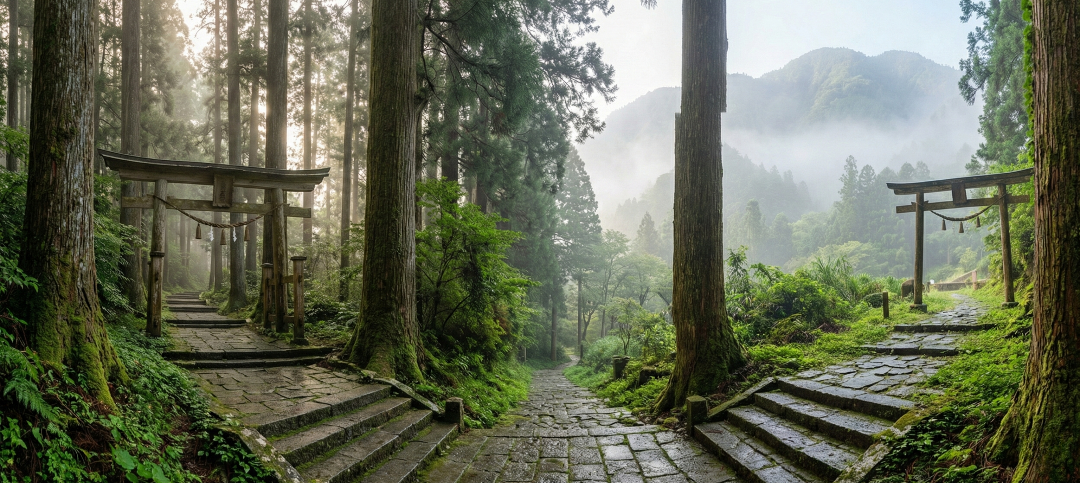
What Makes Kumano Kodo Special?
- Stone paths through dense forest
- Shrines hidden in the mountains
- Traditional guesthouses along the route
Hikes range from short day walks to multi-day journeys. You do not need to complete the entire trail to appreciate it.
This is hiking with history, spirituality, and quiet beauty.
Japanese Alps: High Mountains and Clear Air
The Japanese Alps stretch across central Honshu and offer some of the best mountain hiking in Japan.
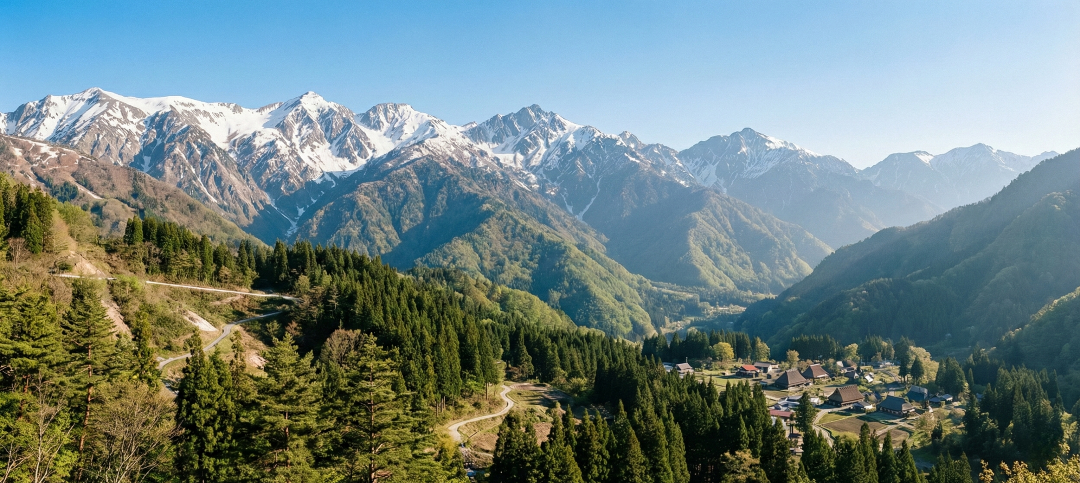
Popular Areas
- Kamikochi
- Mount Tateyama
- Mount Hotaka
- Norikura
Why Hikers Love This Region?
- Alpine scenery
- Clear rivers
- Cooler summer temperatures
- Well-marked trails
Kamikochi is especially popular for beginners because the valley trails are gentle but incredibly scenic.
Nakasendo Trail: Walking Through Old Japan
The Nakasendo Trail once connected Kyoto and Tokyo during the Edo period. Today, parts of the route remain beautifully preserved.

The most famous section runs between Magome and Tsumago.
Why This Walk Is Perfect for Travelers?
- Easy, well-maintained path
- Traditional villages
- No technical hiking required
This is more of a long walk than a mountain climb, making it ideal for travelers who want cultural immersion without intense elevation gain.
Yakushima Island: Forests That Feel Alive
Yakushima, a small island south of Kyushu, feels almost unreal.
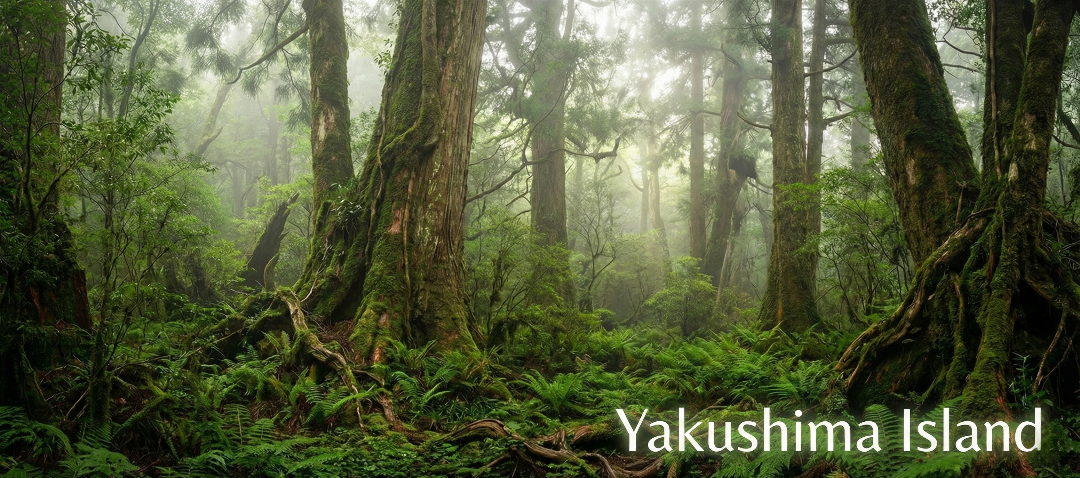
Ancient cedar trees, thick moss, constant mist, and deep forests create an atmosphere that inspired Studio Ghibli films.
Best Trails on Yakushima
- Shiratani Unsuikyo
- Jomon Sugi Trail
Hikes range from gentle forest walks to long full-day treks. Rain is common, but it adds to the island’s character.
Mobile data is essential here. Trails are remote, and weather shifts quickly. Many hikers rely on their phones for navigation and safety.
Hokkaido: Wild Trails and Open Space
Hokkaido offers a different kind of hiking. Trails feel wider, landscapes more open, and crowds thinner.
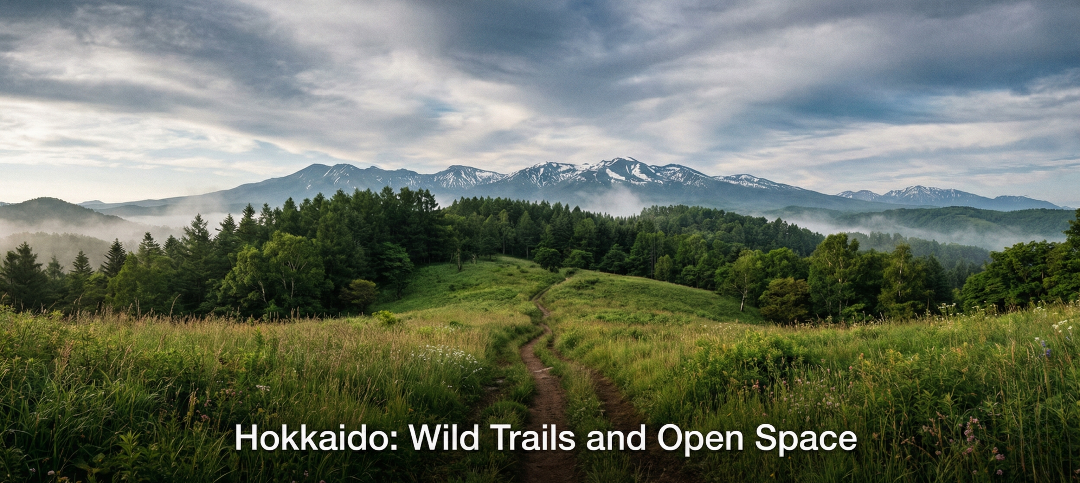
Top Hiking Areas
- Daisetsuzan National Park
- Shiretoko Peninsula
- Lake Toya region
This is the place for hikers who want wide views, wildlife sightings, and cooler temperatures during summer.
Best Walking Trails for Beginners
Not all hiking in Japan involves steep climbs.
Some of the best walking trails include:
- Arashiyama Bamboo Grove paths
- Nara Park forest walks
- Mount Takao near Tokyo
- Philosopher’s Path in Kyoto
These routes are perfect for casual hikers and travelers who want nature without technical difficulty.
What to Pack for Hiking in Japan?
Packing smart makes a big difference.
Essentials include:
- Comfortable hiking shoes
- Weather-appropriate layers
- Rain protection
- Water and snacks
- Portable charger
- Offline maps or navigation apps
- Reliable mobile data
Many trails pass through areas with limited signage. A Japan eSIM ensures you always have access to maps, transport info, and emergency contacts.
Why Staying Connected Matters on the Trail?
Hiking in Japan is safe, but preparation matters.
Mobile data helps with:
- Checking the weather changes
- Confirming trail access
- Navigating rural transport
- Translating signs
- Emergency communication
Free WiFi rarely exists on trails or mountain routes. A Japan eSIM removes that uncertainty.
Japan eSIM: A Smart Choice for Outdoor Travelers
With a Japan eSIM, you get:
- Easy setup before arrival
- Instant activation on landing
- Stable data in cities and rural areas
- No need to carry extra devices
Whether you are hiking Mount Fuji, walking ancient pilgrimage paths, or exploring alpine valleys, staying connected keeps your journey smooth and safe.
Explore Japan eSIM plans
Choosing Hiking Trails for You
- History lovers may become drawn to the Kumano Kodo or Nakasendo.
- Landmark sights can greet you from the top of Mount Fuji or the Japanese Alps.
- Forests and undergrowth are the best option for some people, so Yakushima is our recommended choice for nature lovers.
- Clean air and quiet allow you to explore the far north of Japan, on the island of Hokkaido.
If you want to start engaging in hiking, then stick with urban walks and hiking.
Japan provides hiking for all levels of enthusiasts.
Excited for the Hike?
Hiking in Japan offers travelers a side of the country rarely experienced. Takes you away from urban living, creates a distance from the crowd, and instead fills the silence with the aura of wind, footsteps, and avian chants.
Whether hiking to a famous peak or following an old road through the mountain village, the journey stays with you long after the walk is done.
Plan properly, choose according to ability, and never lose your connection. Good preparation and a working Japan eSIM are the most rewarding things you may carry on the hike in Japan.