Best Time to Visit Japan by Season & Month Guide
Best Time to Visit Japan by Season
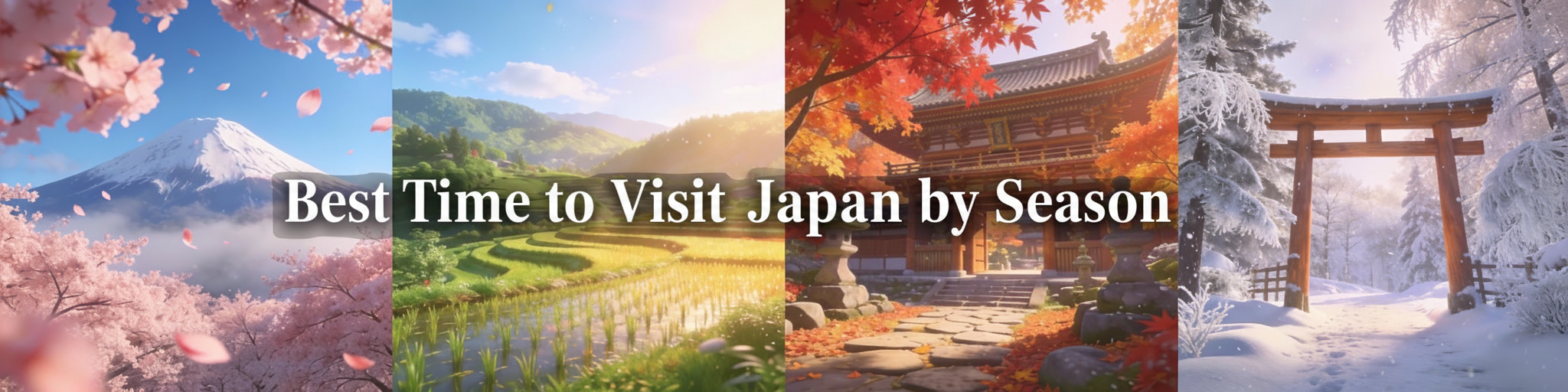
Japan is beautiful all year round. Each season offers a unique experience: snow will cover the villages, while cherry blossoms brighten up the cities in spring. Festivals fill the streets in the summertime. In autumn, the hills are turned bright red with the changing of the leaves. There isn't an ideal time to visit Japan. There is a perfect time for you.
Whichever season you choose for your first trip, whether you want to know the ideal time to see Kyoto or what cities shine in winter, the best time to visit Japan by season in terms of weather, what each season feels like, and what you will remember from this country, and one important travel truth before we start.
Japan is easy to explore as long as you stay connected, since trains, maps, reservations, weather alerts, and translations all rely on mobile data. Having a Japan eSIM ready before you land removes stress from every season.
Let’s explore Japan, season by season.
A Glimpse of Japan's Seasons
Japan has four very distinct seasons, each with its own personality
- Spring (March to May): Filled with cherry blossoms, pink is in the air, and mild temperatures.
- Summer (June to August): Festivals, mountains, beaches, and high humidity.
- Autumn (September to November): Transports you to the autumn hues, showing one sunny day and one cloudy day as you travel at leisure.
- Winter (December to February): Generally, there is snow, then usually hot springs and deserted cities
Now let’s break them down properly.
Spring in Japan (March through May)
Perfect for first-time visitors, cherry blossoms, and city sightseeing
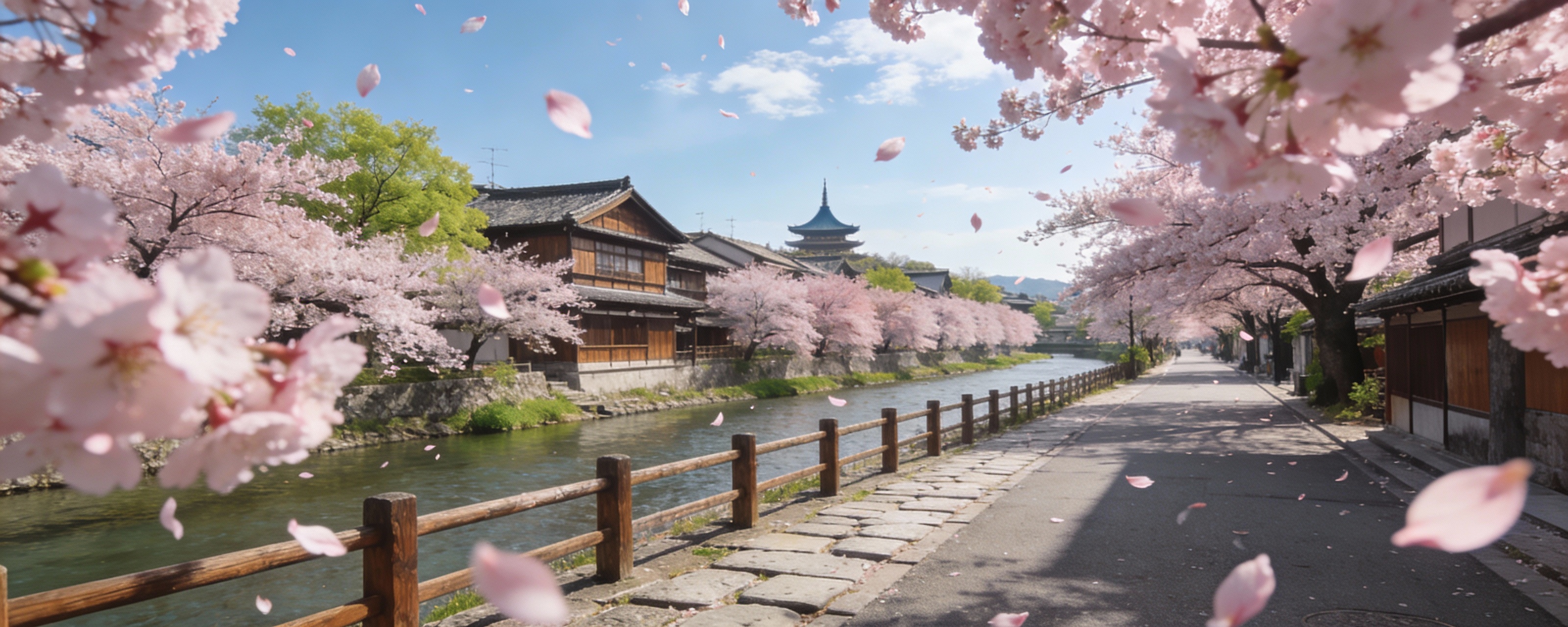
This is the period when Japan becomes the screensaver on everyone's desktop.
As beautiful as they looked in the images, with their delicate pinkish flowers, sakura (as cherry blossoms are called in Japanese) bloom for about two weeks; people everywhere across the country go crazy over just one bloom.
Cities are sprightly, and parks are crowded with picnickers; excitement means little to the Japanese.
Why Spring Is So Popular?
- Pleasant and comfortable temperatures
- Cherry blossom season
- Clear skies
- Nice for walking and exploring the sites.
Cherry Blossom Season
Cherry blossoms usually bloom:
- Late March in Tokyo, Kyoto, Osaka
- Early April in colder regions
Timing changes every year, so checking bloom forecasts is essential.
Best Places to Visit in Japan in Spring
- Tokyo: Parks like Ueno and Shinjuku Gyoen
- Kyoto: Temples framed by blossoms
- Osaka: Riverside cherry trees
- Nara: Deer wandering through pink landscapes
- Mt. Fuji: See the iconic peak framed by pink blossoms at the Chureito Pagoda.
Pro Tip: Spring is peak season. Crowds are huge, and prices are high. To navigate the busy train stations and book last-minute tickets, you’ll need a solid data connection. Skip the line for a physical SIM and grab a Japan eSIM before you land.
Spring is ideal for sightseeing. For inspiration on temples, food streets, cultural experiences, and city highlights, explore The Ultimate Guide to Things to Do in Japan.
Summer in Japan (June to August)
Best for festivals, mountains, and outdoor experiences
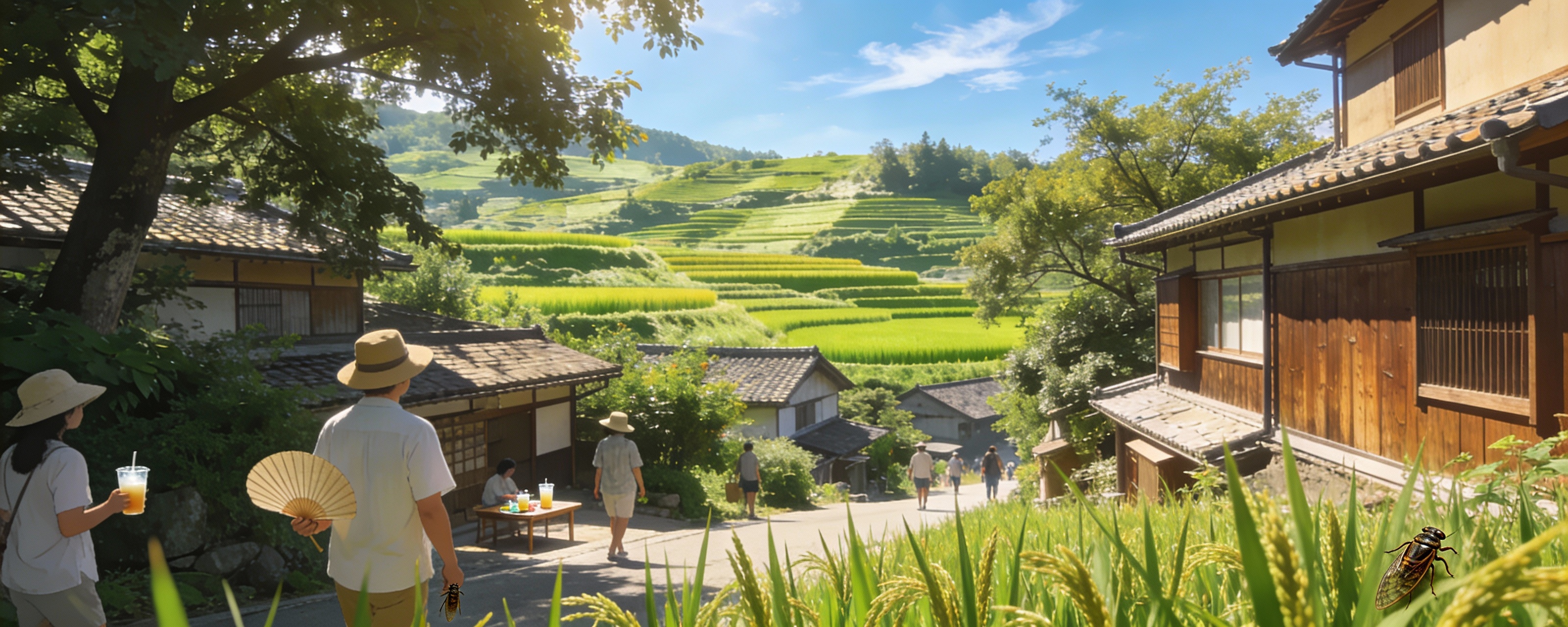
Summer in Japan is a challenging season.
Let's first address the uncomfortable reality. June brings the rainy season (tsuyu), and July and August bring humidity levels that make you question your travel choices. We're talking 80-90% humidity with temperatures hitting 30-35°C (86-95°F).
You'll sweat a lot. Your clothes will stick to your body. Your carefully planned hairstyle will surrender immediately.
Summer in Japan is lively, loud, and colourful. It is also hot and humid in many cities, so knowing where to go makes all the difference.
What Summer Feels Like?
- Warm to very hot
- High humidity in cities
- Incredible festivals
- Fireworks almost every weekend
June: Rainy Season
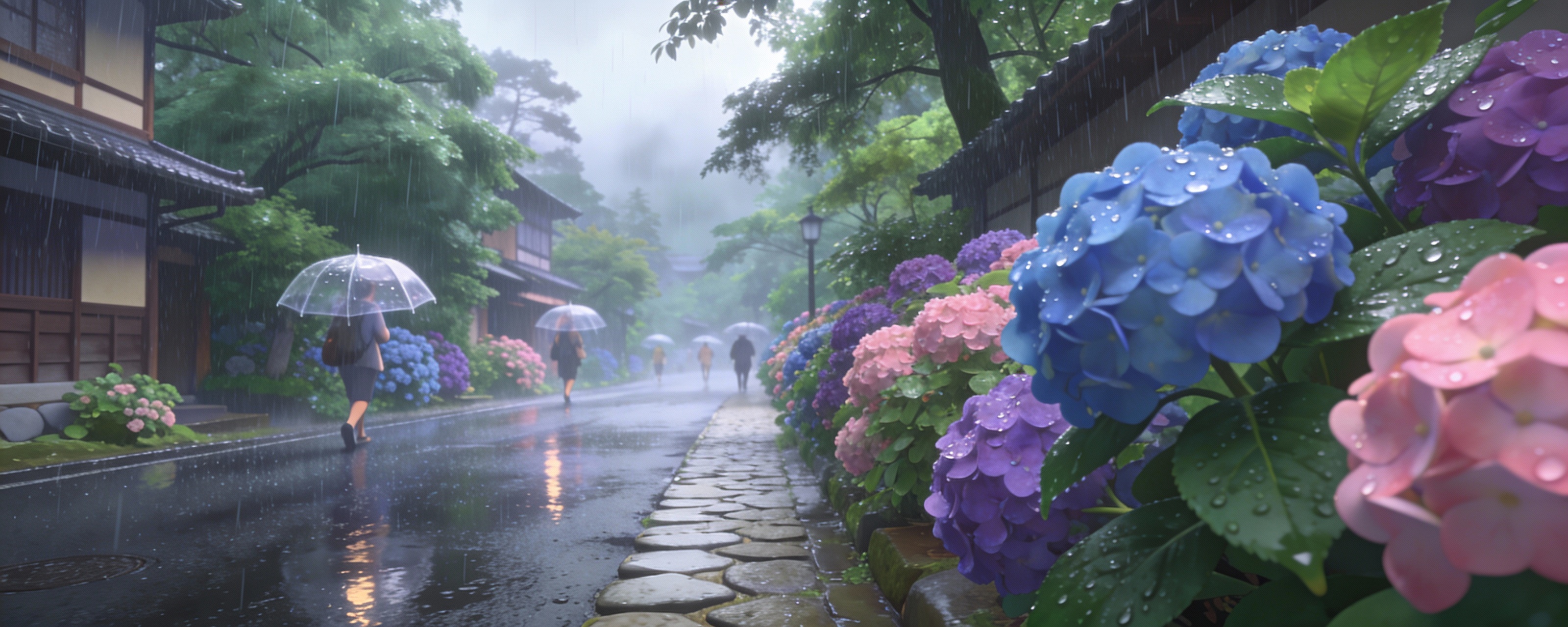
Early summer brings rain, especially in June. It is not constant rain, but sudden showers are common.
July and August: Festival Season
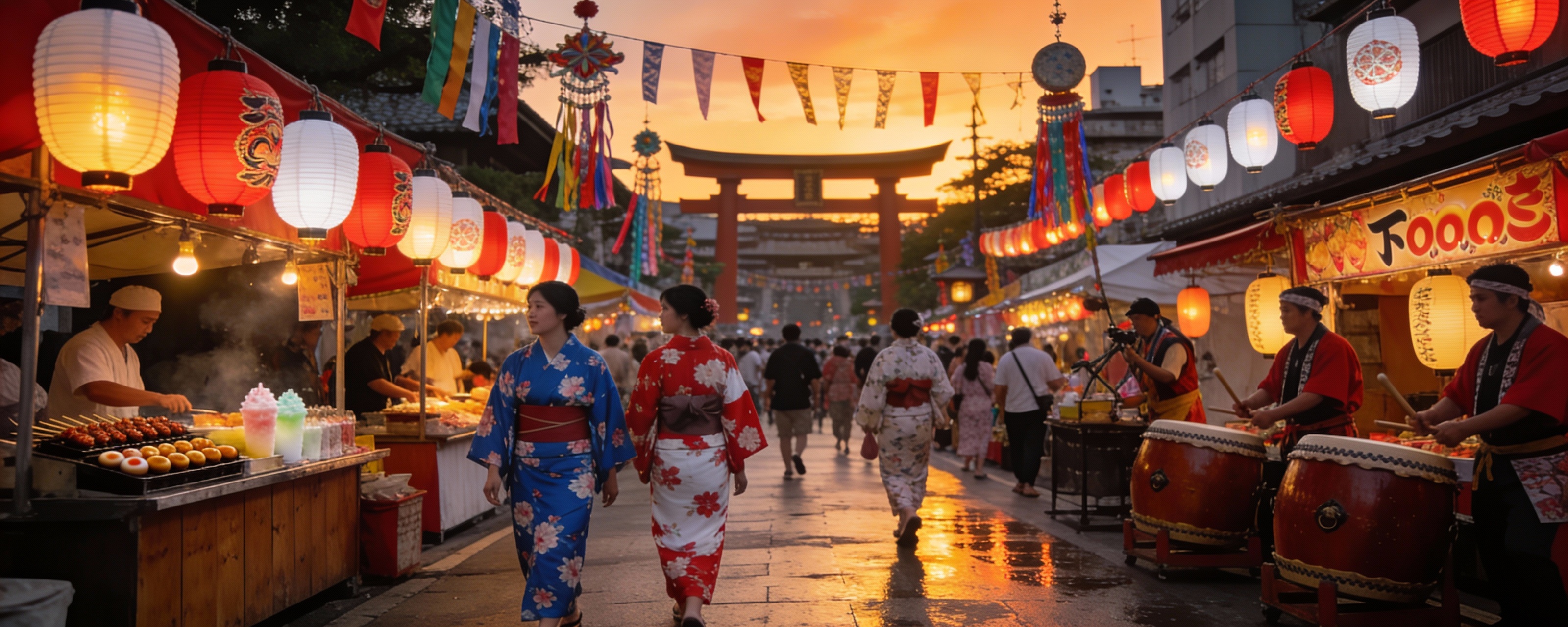
This is when Japan celebrates the hardest.
Best Places to Visit in Japan in Summer
- Hokkaido: Cooler weather, flower fields
- Japanese Alps (Nagano, Takayama): Hiking and fresh air
- Okinawa: Beaches and snorkelling
- Kyoto evenings: Festivals and lanterns
Why Summer Is Still Worth It?
- Fewer international tourists
- Unforgettable festivals
- Lively street atmosphere
Travel Tip
Summer heat drains phone batteries quickly. Navigation, weather alerts, and hydration apps all rely on a stable internet connection. A Japan eSIM keeps things simple.
Fall/Autumn in Japan (September to November)
Best for scenery, photography, and relaxed travel

Autumn is often called Japan’s best-kept secret. The crowds thin out, the weather cools, and the landscape transforms.
Why Autumn Is a Favorite for Many Travelers?
- Mild temperatures
- Clear skies
- Stunning fall foliage
- Less crowd pressure than in the spring
Fall Colors Season
Leaves turn red and gold from:
- Mid-October in northern regions
- November in Kyoto, Tokyo, and central Japan
Best Places to Visit in Japan in Autumn
- Kyoto: Temples glowing with red leaves
- Nikko: Mountains and waterfalls
- Kanazawa: Gardens and historic districts
- Takayama: Old town charm
Why Fall Might Be The Actual Best Time To Visit Japan?
The weather is nearly perfect. September can still be warm, but October and November bring comfortable temperatures, low humidity, and mostly clear skies. Crowds are smaller than in spring, especially in October, before Kyoto's koyo season peaks. Food is incredible. Fall harvest brings chestnuts, sweet potatoes, mushrooms, pears, and persimmons to every market and restaurant menu. Visibility is excellent. This month is the peak "clear view of Mount Fuji from Tokyo" season. Photography conditions are stellar with that crisp autumn light hitting temples and forests.
Autumn is especially popular for hiking thanks to cooler weather and colorful landscapes. Check out this blog showcasing Japan at its most beautiful: Best Hiking Trails in Japan.
Ideal For
- Couples
- Photographers
- Slow travelers
Autumn is also one of the best times to visit Japan overall if you want beauty without peak crowds.
Winter in Japan (December to February)
Best for snow lovers, hot springs, and peaceful cities
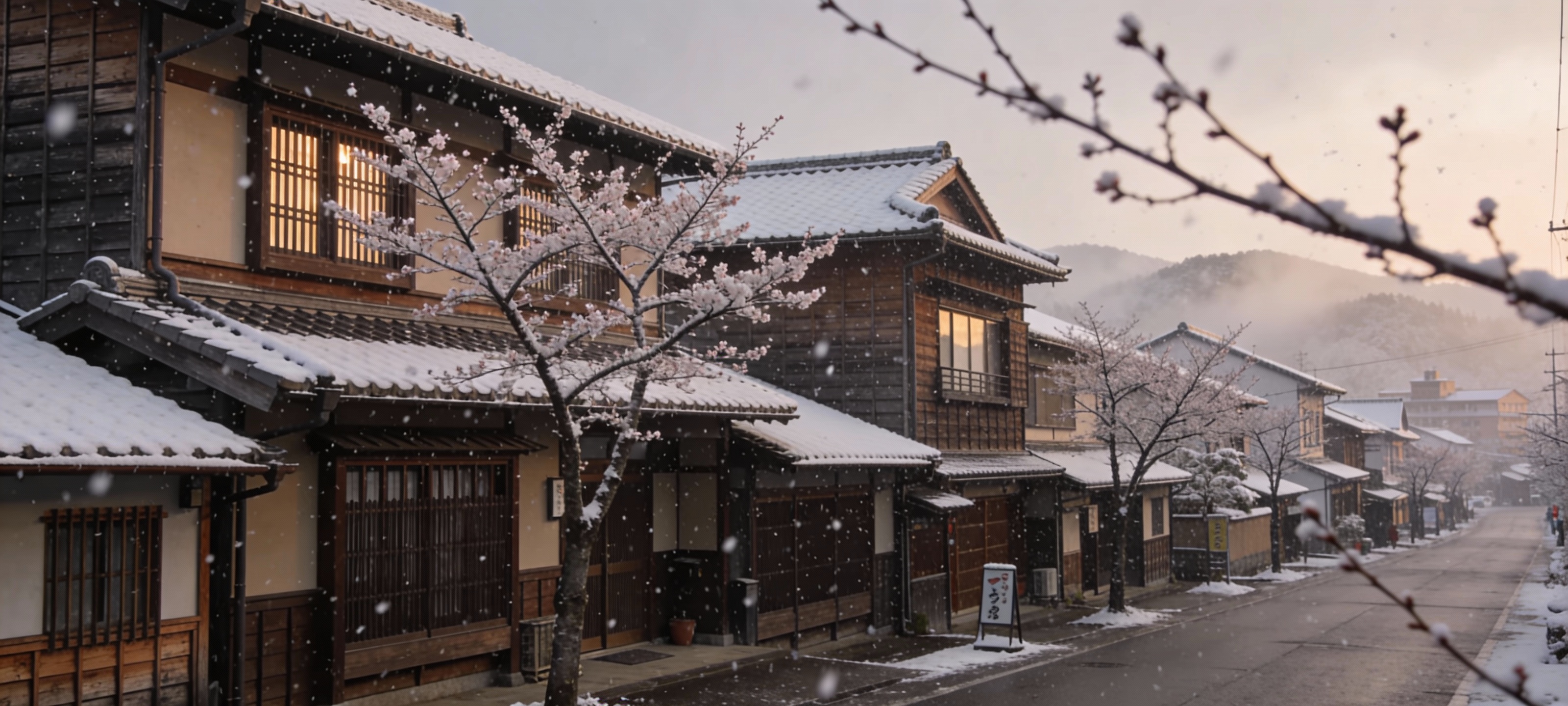
Winter surprises many travelers. Japan becomes quieter, cleaner, and incredibly atmospheric.
Why Winter Is Special?
- Snowy landscapes
- Fewer tourists
- Clear city views
- Onsen season
Best Places to Visit in Japan During Winter
- Hokkaido: Snow festivals and skiing
- Nagano: Snow monkeys and hot springs
- Hakone: Mount Fuji views and onsen
- Takayama: Snow-covered old town
Best Cities to Visit in Japan in Winter
- Sapporo: Snow Festival and winter food
- Kanazawa: Calm streets and seafood
- Kyoto: Quiet temples without crowds
- Tokyo: Clear skies and winter illuminations
Winter Challenges And Solutions:
It gets dark early in winter, around 5 PM in December, so this winter travel guide recommends planning outdoor activities during daylight hours. Southern regions generally stay dry but can still be cold, so pack warm layers even for cities like Tokyo and Kyoto, where temperatures hover around 5–10°C (41–50°F).
Some mountain areas may become inaccessible due to heavy snowfall, making it important to check access conditions before planning trips to remote locations. Central heating isn’t standard in all accommodations, and traditional ryokan can feel chilly outside of heated rooms.
Additionally, New Year’s week brings a spike in domestic tourism, with many shops and restaurants closing from December 29 to January 3, something travelers should factor into their plans.
Winter Travel Experience
Trains run smoothly, cities feel spacious, and food tastes even better in the cold.
Things to Pack
- Warm layers
- Good shoes
- Portable charger
- Reliable internet (like Japan eSIM) for weather updates
Best Time to Visit Japan Based on Your Travel Style
First-Time Visitors
- Spring or autumn
- Comfortable weather and classic scenery
Budget Travelers
- Winter
- Lower hotel prices and fewer crowds
Nature Lovers
- Autumn or summer in mountain regions
Festival Seekers
- Summer
- July and August are packed with events
Snow and Ski Fans
- Winter
- Especially January and February
Month-by-Month Snapshot
- January to February: Snow, skiing, peaceful cities
- March to April: Cherry blossoms and peak beauty
- May: Warm weather and golden week crowds
- June: Rainy but green and fresh
- July to August: Festivals, fireworks, heat
- September: Calm transition season
- October to November: Fall foliage perfection
- December: Illuminations and winter charm
Why Staying Connected Matters in Every Season?
No matter when you visit, Japan relies heavily on digital access.
You will need mobile data for:
- Train navigation
- Weather alerts
- Seasonal event updates
- Restaurant bookings
- QR menus
- Translation apps
Free WiFi is inconsistent, especially in rural or crowded areas. This is why many travelers choose a Japan eSIM instead of airport SIM cards or pocket WiFi.
Japan eSIM: Travel Smart in Every Season
With a Japan eSIM, you get:
- Installation before arrival
- Instant activation when you land
- No physical SIM swapping
- Stable data across cities and the countryside
It works whether you are:
- Checking cherry blossom forecasts
- Navigating snow routes in winter
- Finding festival locations in summer
- Exploring quiet autumn temples
When Is the Best Time to Visit Japan?
The best time to visit Japan depends on what you want to feel.
- Spring feels hopeful and soft.
- Summer feels loud and joyful.
- Autumn feels calm and beautiful.
- Winter feels quiet and magical.
There is no wrong season. Only different versions of Japan are waiting for you. Choose the season that matches your travel style, prepare well, and stay connected. With the right timing and a reliable eSIM, Japan becomes effortless to explore.